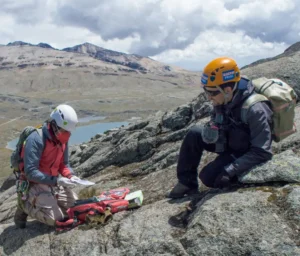
Mountaineering poses hazards including altitude illness, extreme weather, cold injuries, falls and avalanches. Careful pre-trip planning (route choice, weather, permits, fitness and training) and the right gear (insulation, shelter, navigation, communications, technical equipment and emergency supplies) are essential. On-route, practice safe navigation, rope techniques, glacier travel and avalanche avoidance.
Overview of Risks
Mountaineers face steep falls, rock/icefall, crevasses, avalanches, and sudden weather changes. High altitude can cause AMS (headache, nausea, fatigue), and in severe cases HAPE (fluid in lungs) or HACE (brain swelling). Cold exposure risks hypothermia and frostbite; factors include low temperature, wind, wet clothing and exhaustion. Other risks: UV radiation (sunburn, snow blindness), dehydration, and isolation (limited rescue access). Understanding these dangers is the first step to mitigation.
Pre-trip Planning
Before any climb, research the route (difficulty, terrain, hazards) and check recent trip reports or guides. Study weather forecasts (mountain forecasts, synoptic charts) and stop if conditions worsen. Obtain required permits and inform park authorities or rescue services of your plans. Assess personal and team fitness and skills: train endurance and practice relevant techniques (rope work, glacier travel, avalanche rescue). Go with experienced companions or hire a guide if novice. Always carry a detailed route plan and share the itinerary with someone reliable.
Essential Gear Checklist
A comprehensive gear kit is vital. Layers of clothing (moisture-wicking base layer, insulating mid-layers, and waterproof/breathable outer shell) keep you warm and dry. A helmet, harness, ice axe and crampons are needed in snowy/icy terrain. Carry a sturdy mountaineering backpack stocked with:
- Shelter and insulation: bivy sack or tent, sleeping bag/mat (even on day trips, for emergencies).
- Navigation: topographic map, compass, altimeter, GPS device and extra batteries.
- Communication: satellite phone or radio, and a fully charged cell phone or emergency beacon.
- Technical gear: rope(s), slings, carabiners, protection (cams, nuts, ice screws), belay device, and prusik loops or mechanical ascenders.
- Safety equipment: avalanche transceiver, probe, shovel, helmet, and a crevasse-rescue kit if on glaciers.
- First Aid and tools: a personal first-aid kit (including altitude sickness medications, painkillers, blister care), repair kit and multi-tool.
- Food and water: high-energy snacks, meals, and ≥2 liters of water (or a filter to melt snow). Carry extra fuel for stove in winter.
These essentials can be summarized in the table below:
| Category | Examples/Notes |
|---|---|
| Clothing | Insulated layers, waterproof shell, warm hat/gloves |
| Navigation | Map, compass, altimeter, GPS device |
| Communication | Phone, radio, Personal Locator Beacon (PLB) |
| Technical gear | Helmet, harness, rope, ice axe, crampons, protection gear |
| Avalanche safety | Beacon, shovel, probe (with training) |
| Shelter | Emergency bivy/tent, sleeping bag |
| First aid | First-aid kit (bandages, medications) |
| Food/Water | Energy snacks, water bottles/filter, stove |
| Other tools | Headlamp, knife/multitool, repair kit, spare batteries |
On-Route Safety Practices
While climbing, continually assess terrain and conditions. Use map and compass/GPS, and heed visible landmarks. Maintain group communication (whistles or radios) and stay together. Use appropriate rope techniques. In snowy terrain, practice avalanche awareness: check bulletins (e.g. from ski patrol or avalanche centers) before starting.
Altitude Illness Recognition and Management
Above ~2,500–3,000 m, altitude illness can occur. AMS is common: symptoms (headache, nausea, dizziness, fatigue, poor sleep) usually arise hours after ascent. It often resembles a hangover. If symptoms appear, stop climbing, hydrate, and avoid further ascent. Mild AMS may resolve with rest; if symptoms persist beyond 24 hours or worsen, descend 300–600 m. HACE (brain swelling) signs include severe headache unresponsive to painkillers, confusion, clumsiness, and drowsiness. HAPE (lung edema) begins with persistent cough, rapid breathing, chest tightness or breathlessness on exertion; it can progress rapidly to respiratory distress. Both HACE and HAPE are life-threatening: if suspected, descent is mandatory, along with oxygen and medications (dexamethasone for HACE, nifedipine or sildenafil for HAPE if trained).
Cold-Injury Prevention
Frostbite and hypothermia occur from prolonged cold, wind, and wet conditions. Dress in layers to trap warmth and regulate sweat; change into dry clothes if sweating. Cover extremities: warm socks, gloves (and mittens), hat and face protection. Keep moving to maintain circulation, eat and drink regularly for energy, and avoid alcohol or caffeine which can cool you. At signs of hypothermia (uncontrolled shivering, confusion) or frostbite (numb, pale skin on toes/fingers), seek shelter and warm the person gradually. Always carry an emergency insulation (bivy or extra jacket) to shelter from wind if needed.
Emergency Procedures and Decision-Making
Be prepared for self-rescue. Carry a first-aid kit and know basic wilderness first aid. Establish an emergency plan (know the local rescue number – e.g. 112 in Europe). Practice “go/no-go” decision points: check Weather (storms, wind), Time (sufficient daylight to return), Group fitness, and Route status. Use heuristics like “turn-around time” (the time by which you must leave to get down in daylight) and watch for human factors (fatigue, groupthink, ego). In doubt, prioritize safety: it’s safer to retreat or wait out bad weather than to press on.
Environmental and Leave No Trace
Respect mountain environments. Stay on durable trails, pitch camps on rock or snow if possible, and avoid fragile plants. Pack out all garbage and human waste (use waste bags in sensitive areas). Minimize noise and disturbance to wildlife. Do not light large fires above tree line. Carry out used toilet paper. These practices protect the mountains and ensure they remain safe and beautiful for others.
Resources: The UIAA Medical Commission papers on altitude and cold injuries, national mountain rescue and avalanche center websites, and Wilderness Medical Society guidelines provide detailed information. The BMC (UK) and AAC publish practical safety advice for mountaineers.